


Amblyopia, commonly known as “lazy eye,” is a vision disorder that affects approximately 3-4% of the population. It occurs when the brain favors one eye over the other one, resulting in reduced vision in one eye. Amblyopia is a neurodevelopmental disorder and occurs in childhood, if left untreated it can result in permanent vision loss.
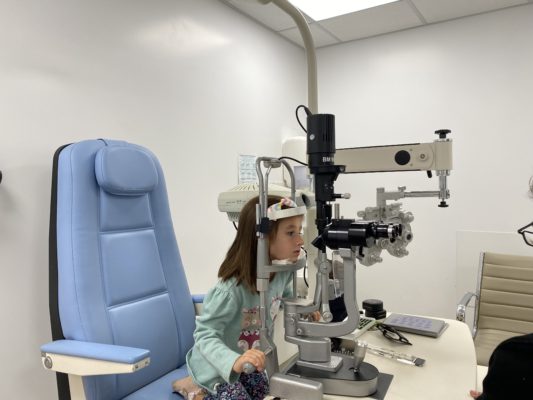
Causes of Amblyopia
1. Strabismus: When the eyes are misaligned, the brain will use the eye that is straight and ignore the eye that is misaligned
2. Anisometropia. When the refractive error between the two eyes is uneven, for example one eye is significantly more farsighted than the other. The brain again will take the path of least resistance and will favor the eyes with the milder prescription need.
3. Deprivation: This is the most severe form of amblyopia, it occurs when one eye is not being used because of a physical blockage of the visual axis. This can be the result of cataracts or a droopy eyelid (ptosis).
Treatment for Amblyopia
The basic premise of amblyopia treatment is correcting the underlying cause and then forcing the brain to start using the “lazy eye.” Treatment options include:
• Glasses, in order to correct a clinically significant refractive error and to address a difference in the prescription between the two eyes.
• Surgery might be indicated to correct underlying strabismus or the cause of deprivation amblyopia such as cataracts or ptosis.
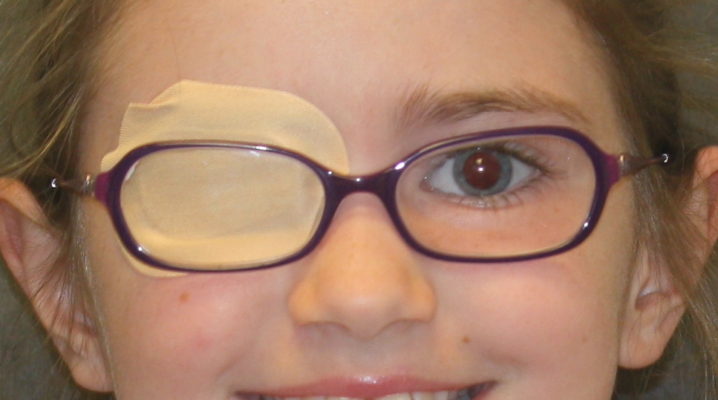
• Patching. By covering the stronger eye with an eye patch the brain is being forced to develop more connections to the “lazy eye” and thus improve the vision by stimulating neurodevelopment. Typically, the stronger eye is patched 2-4hrs per day.
• Atropine eye drops. Atropine drops can be used as an alternative to patching. By administering the drops (usually 2-3 mornings/week) to the stronger eye, the vision in the better eye is blurred thus forcing the brain to use the weaker eye.
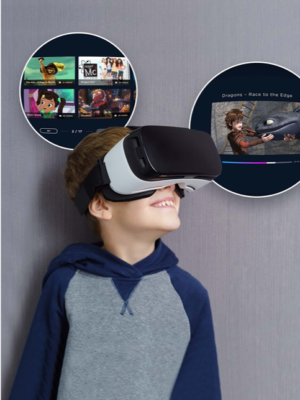
• Binocular treatments. Recently it has been shown that treatments in the form of 3D movies are effective in improving vision due to amblyopia.
For amblyopia treatment to be effective it has to happen during the “critical period” for visual development, which typically lasts until 7-8 years of life. However, more recent studies have shown that even older children can benefit from amblyopia treatment. The success of amblyopia treatment depends on various factors, including the age at which treatment begins, the severity of the condition, and the cooperation of the patient. Early detection and intervention are crucial for a better prognosis.
In conclusion, amblyopia is a vision disorder that can cause permanent decreased vision in one eye if left untreated. Causes of amblyopia include strabismus, refractive errors, and deprivation. However, with appropriate treatment such as glasses, patching, atropine drops, and in some cases surgery, the condition can be managed effectively. Early intervention and regular eye examinations are essential for the successful treatment of amblyopia and the preservation of good vision.